
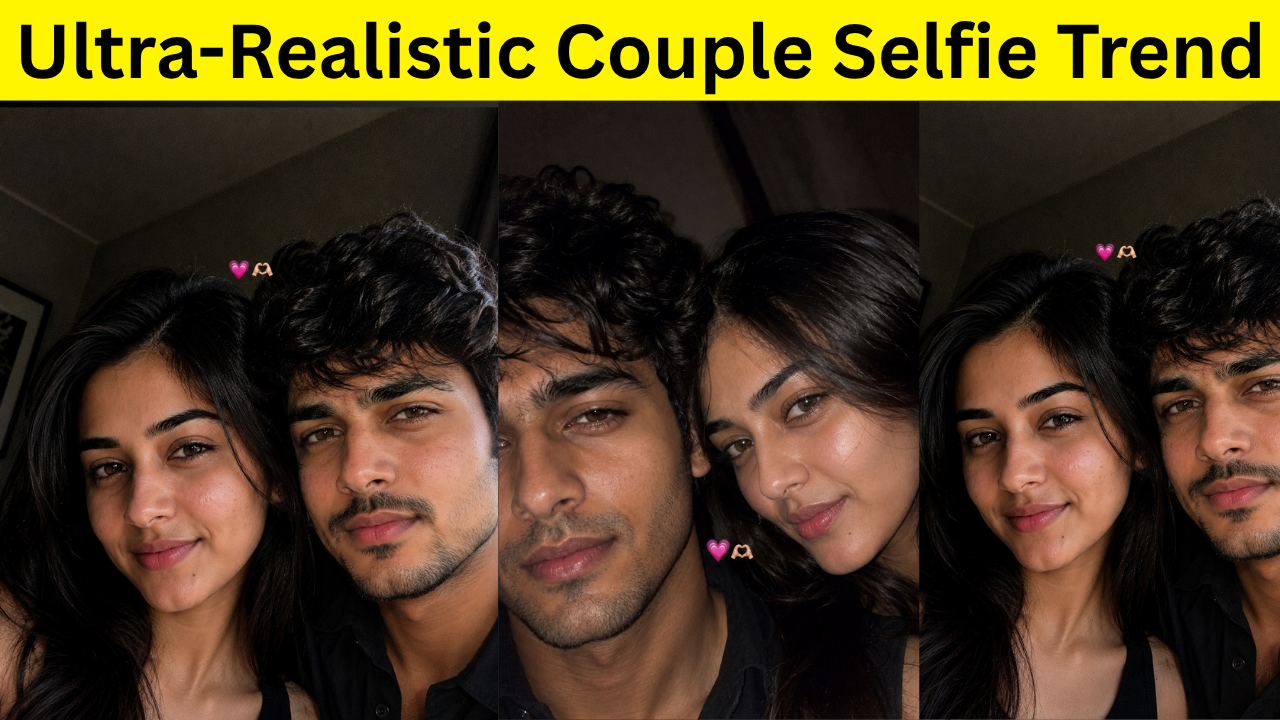
Social media trends change almost every week, but every once in a while, a trend feels so real that people stop scrolling for a second just to figure out whether it’s actually a photograph or something created with AI. That’s exactly what’s happening with the latest ultra-realistic couple selfie trend.
If you’ve spent even a few minutes on Instagram Stories, Pinterest, or X recently, you’ve probably noticed these close-up selfies where two people are standing shoulder-to-shoulder, their faces filling almost the entire frame. The lighting looks like it came directly from an iPhone front-camera flash. The image has tiny imperfections, subtle motion blur, realistic skin texture, and even the small camera artifacts you’d normally expect from a spontaneous late-night selfie. At first glance, almost everyone assumes it’s a real photograph.
The fascinating part is that many of these images aren’t traditional photos at all. They’re AI-generated portraits designed to recreate the natural look and feel of an authentic smartphone selfie. Unlike the heavily edited AI portraits that became popular over the past year, this trend focuses on realism rather than perfection.
Why This Trend Is Going Viral
One of the biggest reasons behind the popularity of this trend is authenticity. For years, social media has been filled with overly edited pictures, smooth skin filters, dramatic lighting, and unrealistic beauty enhancements. People have slowly become tired of images that look too perfect. The new generation of AI portraits is moving in the opposite direction. Instead of creating flawless faces, creators are intentionally keeping natural skin texture, visible pores, tiny freckles, messy hair, uneven lighting, and subtle imperfections. Ironically, adding these realistic details makes the images feel much more genuine. When someone sees one of these portraits in an Instagram Story, they often assume it was captured in a split second rather than carefully created. That’s exactly what makes the trend so engaging.The Instagram Story Aesthetic
Instagram Stories have their own visual language. Unlike carefully edited feed posts, Stories usually feel spontaneous. People upload random selfies, blurry moments, flash photos, mirror pictures, and casual snapshots throughout the day. This trend perfectly matches that style. Rather than looking like a professional photoshoot, these AI-generated images recreate the feeling of someone casually opening their front camera, taking a quick flash selfie, and posting it instantly. Small imperfections actually improve the final result. Some of the details commonly seen include:- Slight motion blur
- Uneven framing
- Flash reflections in the eyes
- Natural skin texture
- Hair strands crossing the face
- Camera sensor noise
- Soft HDR lighting
- Low-light environments
- Accidental-looking composition
Why Realism Matters More Than Perfection
One interesting shift in AI photography is that realism has become more valuable than perfection. Earlier AI images often featured perfectly symmetrical faces, spotless skin, and unrealistically smooth lighting. While those images looked impressive technically, they often felt artificial. Today’s audience notices those flaws immediately. That’s why creators now focus on preserving natural facial features rather than changing them. The goal isn’t to make someone look different. The goal is to make the image look like it could have been taken on a real smartphone. That subtle difference completely changes how people perceive the final result.How AI Has Changed Digital Portraits
Artificial intelligence has become incredibly good at understanding photography. Instead of simply drawing faces, modern AI models can recreate lighting patterns, camera depth, reflections, skin texture, lens imperfections, and even smartphone processing styles. This allows creators to generate portraits that resemble images captured on devices people use every day. The result feels familiar because our brains recognize the visual characteristics of smartphone photography. That’s why these portraits often receive comments like: “Wait… is this real?” or “Which phone did you click this on?” That reaction is exactly what makes the trend successful.The Importance of Preserving Facial Identity
Another reason this trend has gained popularity is its emphasis on preserving identity. People don’t want AI to completely redesign their appearance. Instead, they want their own face to remain recognizable. The best results maintain individual facial structure, eye shape, smile, hairline, eyebrows, skin tone, and natural expressions while simply placing them into a different photographic setting. This creates a much more personal experience compared to older AI portrait styles.Why Creators Love This Trend
Content creators are always looking for fresh visuals that stand out without requiring expensive equipment. This trend offers something unique. Instead of organizing a photoshoot, finding perfect lighting, or carrying professional cameras, creators can experiment with realistic portrait concepts that match current social media aesthetics. These images work particularly well for:- Instagram Stories
- WhatsApp Status
- Profile highlights
- Pinterest posts
- Mood boards
- Creative edits
- Thumbnail concepts
- Couple-themed content
The Rise of Everyday Photography
One interesting aspect of this trend is that it celebrates everyday photography. For years, photography on social media leaned toward cinematic edits and polished visuals. Now, audiences seem to appreciate moments that feel ordinary. An accidental selfie. A quick flash photo. A blurry late-night picture. A close-up with imperfect framing. These everyday moments create stronger emotional connections because they resemble real memories instead of staged productions. AI is simply helping recreate that feeling.Tiny Details That Make a Huge Difference
What separates an average AI portrait from a convincing one isn’t dramatic editing—it’s attention to subtle details. Natural skin texture, realistic eye reflections, soft facial shadows, slightly uneven lighting, gentle depth of field, and authentic smartphone artifacts all contribute to the illusion of a genuine photograph. Even the smallest visual imperfections can make an image feel significantly more believable. That’s why experienced creators often spend more time refining realism than adding effects.Why People Keep Sharing These Images
Human curiosity plays a huge role. Whenever something looks almost real but not obviously AI-generated, people naturally want to share it. Friends ask questions. Followers react. Comments increase. The image starts conversations. In many cases, viewers spend several seconds examining the photo before realizing it wasn’t captured traditionally. That moment of surprise is what fuels the trend across social platforms.Is This Just Another Short-Lived Trend?
Probably not. While individual visual styles come and go, the broader movement toward realistic AI photography is likely here to stay. As AI tools continue to improve, the distinction between real smartphone photography and AI-generated imagery will become even harder to notice. Future trends may focus even more on authenticity rather than fantasy. Instead of creating impossible scenes, creators will increasingly use AI to recreate moments that feel natural, relatable, and emotionally familiar.Final Thoughts
The ultra-realistic couple selfie trend represents a new chapter in AI-generated imagery. Rather than chasing perfection, it embraces authenticity, natural textures, imperfect framing, and the familiar look of everyday smartphone photography. Its popularity isn’t driven by flashy effects or unrealistic edits. Instead, it’s built on subtle realism—the kind that makes viewers pause and wonder whether they’re looking at a genuine photo or something created with AI. As visual storytelling continues to evolve, trends like this show that the most impactful images aren’t always the most polished. Sometimes, the photos that feel spontaneous, imperfect, and effortlessly real are the ones people remember the most. Whether you’re a content creator, designer, or simply someone who enjoys experimenting with new creative styles, this trend is a great example of how AI is reshaping digital photography—not by replacing reality, but by recreating it in ways that feel surprisingly authentic.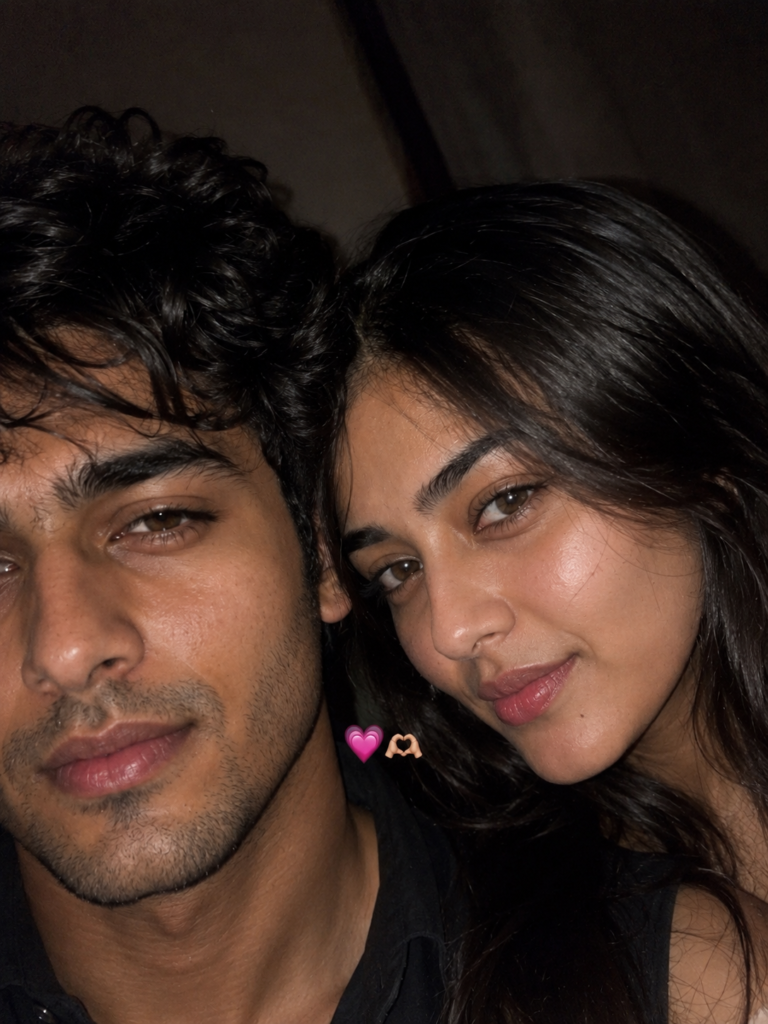
Use 100% of both uploaded faces. Create an ultra-realistic iPhone front-camera flash selfie with only the upper half of both faces visible, pressed closely together...
Use 100% of both uploaded faces. Create an ultra-realistic iPhone front-camera flash selfie with only the upper half of both faces visible, pressed closely together. Preserve exact facial features, natural skin texture, pores, slight imperfections, messy hair, warm hazel-brown eyes, and realistic reflections. Low-light indoor setting with authentic iPhone flash, subtle motion blur, sensor noise, HDR, shallow depth of field, imperfect framing, and raw smartphone camera artifacts. Add a tiny 🩷 and 🫶 between both faces. Vertical 9:16, looks like a genuine accidental Instagram Story photo—completely photorealistic, unedited, no beauty filter, no AI look, no plastic skin, no oversharpening.
ये जो तुमने अभी देखा ना, ये जो है फोटो है और इस फोटो को बनाने के लिए कैसे बनाना है, इसके लिए मैं एक आर्टिकल लिखने वाला हूँ, जिसके लिए कि जो है तुम मुझे जो है एक अच्छा सा आर्टिकल लिख के दो, जिसमें कि ये वाला ट्रेंड का जो है जिक्र हो, कैसे बनाना, नहीं बनाना है. प्रॉम्प्ट को जो है आर्टिकल में नहीं देना है, ठीक है, उसको हम अलग से कर लेंगे. इंग्लिश में 1200 वर्ड में उसको लिख दो. ऐसा लिखना कि बिल्कुल ह्यूमन टोन में हो और बिल्कुल भी पता न चले.
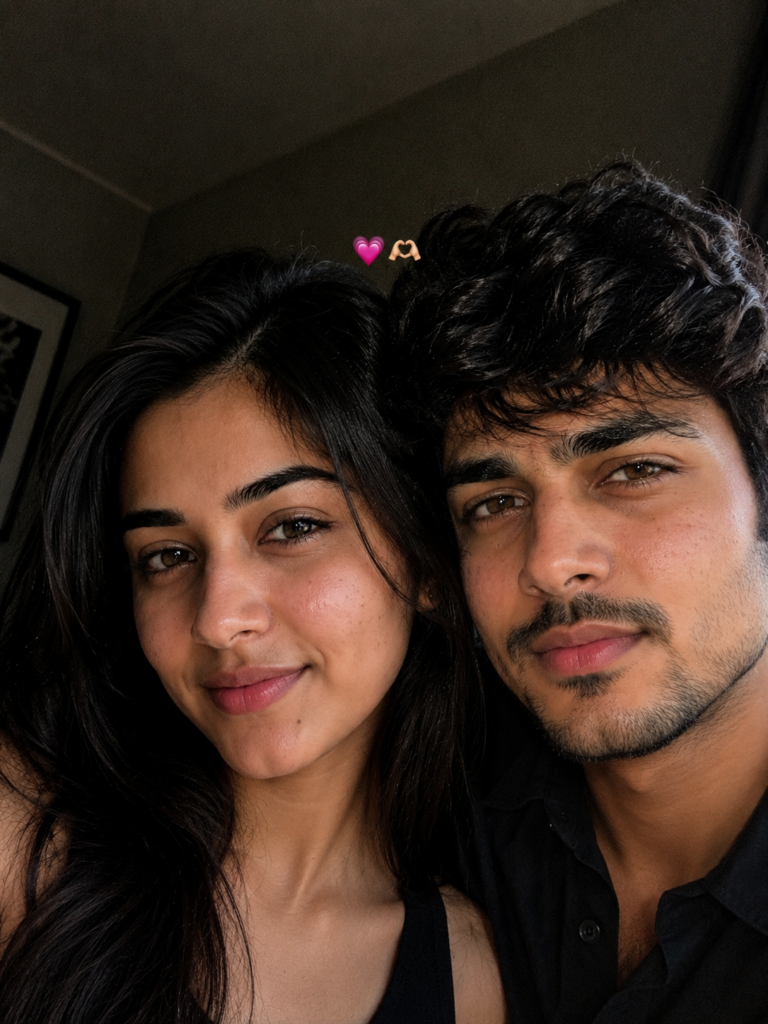
Use 100% of both uploaded faces. Create an ultra-realistic iPhone front-camera flash selfie with only the upper half of both faces visible, pressed closely together...
Use 100% of both uploaded faces. Create an ultra-realistic iPhone front-camera flash selfie with only the upper half of both faces visible, pressed closely together. Preserve exact facial features, natural skin texture, pores, slight imperfections, messy hair, warm hazel-brown eyes, and realistic reflections. Low-light indoor setting with authentic iPhone flash, subtle motion blur, sensor noise, HDR, shallow depth of field, imperfect framing, and raw smartphone camera artifacts. Add a tiny 🩷 and 🫶 between both faces. Vertical 9:16, looks like a genuine accidental Instagram Story photo—completely photorealistic, unedited, no beauty filter, no AI look, no plastic skin, no oversharpening.
Discover more from viraldost.com
Subscribe to get the latest posts sent to your email.